

Why You Freeze in Antenatal Appointments (And Say Yes When You’re Unsure)
Do you leave antenatal appointments wishing you’d said something differently? If you freeze, people please or say yes when you’re unsure, this is for you.

Why You Can’t Stop Obsessing Over Your VBAC (Especially if You’re Neurodivergent)
Researching your VBAC at 2am? Replaying appointments in your head? If you’re neurodivergent, there’s a reason birth decisions can feel all-consuming.

When Maternity Care Doesn’t Feel Right (And What You Can Do About It)
If your maternity care feels rushed, unclear or pressured, this will help you understand why, and what you can do next.
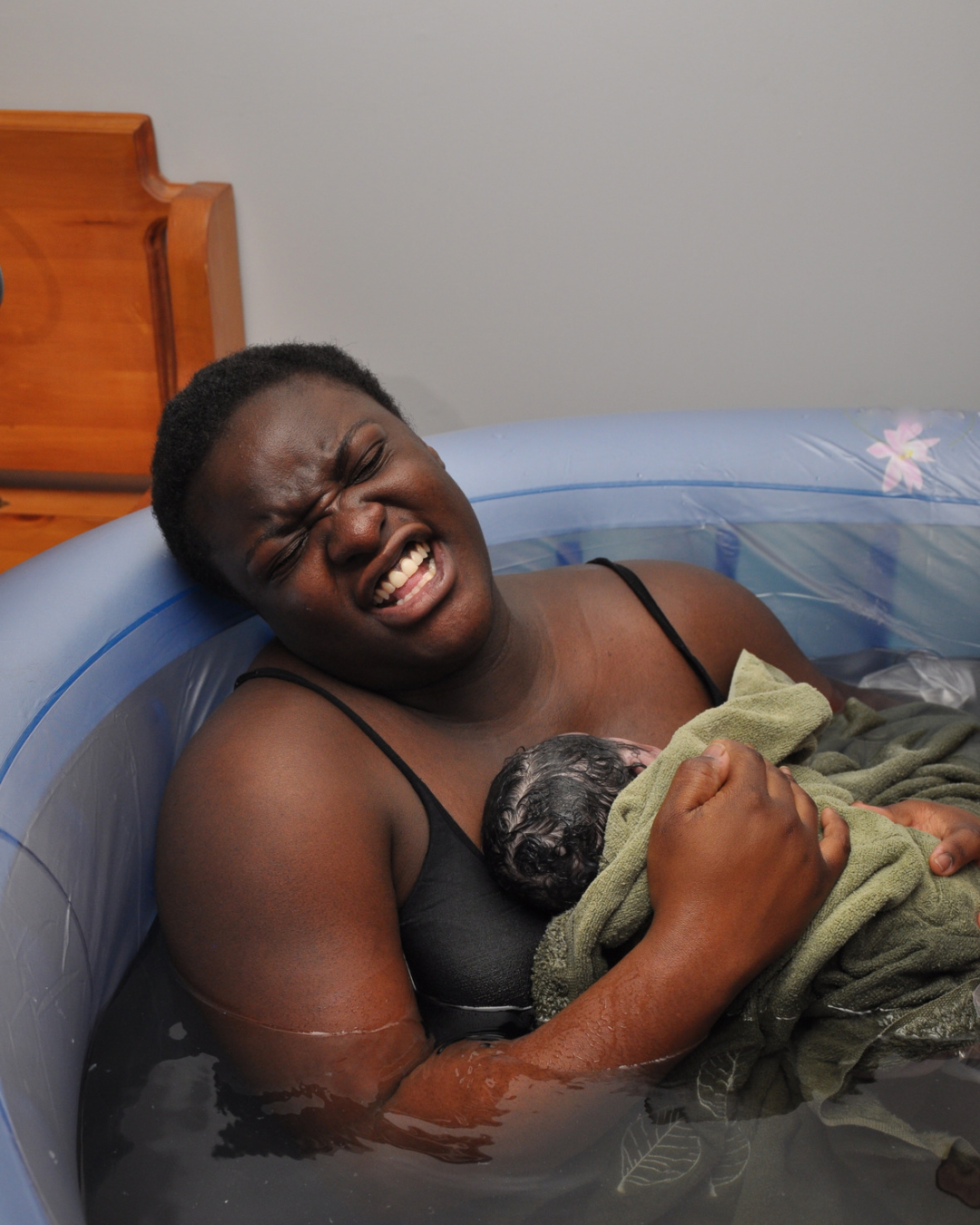
Is VBAC Safe in the UK? What You’re Not Always Told
Is VBAC safe? If you’ve been told it’s risky or feel unsure what to believe, this guide breaks it down in a clear, balanced way.

How to Advocate for Yourself in Pregnancy (Without Feeling Difficult)
Struggling to speak up in antenatal appointments? If you freeze, forget your questions or don’t feel heard, this guide will help you advocate for yourself.
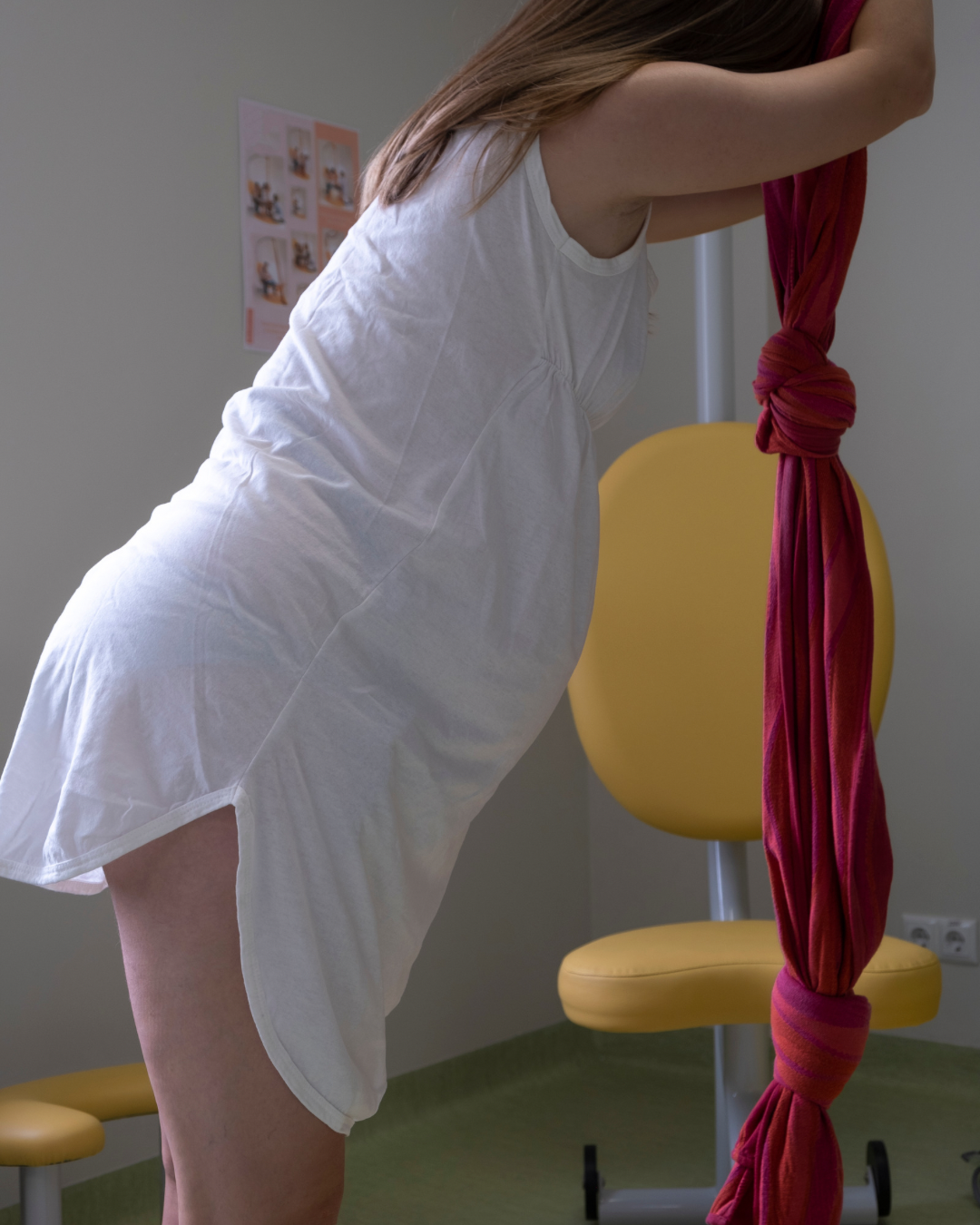
Signs Labour Is Starting (And When to Go to Hospital UK)
Not sure if labour has started? Here’s a calm, clear guide to the early signs of labour and when to go to hospital in the UK.

Neurodivergent Pregnancy: Why It Can Feel So Much Harder (And What Helps)
Pregnancy can feel overwhelming in ways no one really talks about especially if you’re neurodivergent. If antenatal care feels hard to process, you’re not alone.

What Happens at Your First Midwife Appointment (UK Guide)
Your first midwife appointment, usually called the booking in appointment, typically happens between 8 and 10 weeks of pregnancy in the UK. It's where your midwife gathers information about your health and history, explains how your maternity care will work and begins building a picture of your pregnancy.

What Does a Doula Do in the UK? (And Do You Need One?)
A doula is someone who offers continuous emotional, practical and informational support during pregnancy, birth and the postnatal period. They are not medical professionals. They don't deliver babies, carry out clinical checks or make medical decisions. What they do instead is focus entirely on you, as a whole person, not just as a patient, alongside your NHS care.

VBAC After Multiple Caesareans UK: Is It Possible on the NHS?
If you've had more than one caesarean and you're thinking about a vaginal birth, you've probably already come up against this question: "Is that even allowed?"
Or maybe you've been told, quite clearly: "No, you'll need another caesarean."
The reality is more nuanced than that and understanding the difference between what NHS trusts routinely support and what is actually possible is one of the most important things you can do if you're considering a VBAC after multiple caesareans.

Why Antenatal Appointments Feel Overwhelming (Especially if You’re Neurodivergent)
You shouldn't have to force yourself to keep up. You shouldn't have to leave appointments feeling confused, unsure, or like you didn't say what you needed to say. You deserve time, clarity and space to process, as well as support that actively provides those things rather than expecting you to generate them yourself under pressure.

Planning a VBAC in the NHS: What You’re Not Told
This comes up again and again in conversations with VBAC families. Pressure doesn't always look like someone telling you what to do.
Even when it isn't intentional, this kind of communication can leave you feeling like your choices are narrower than they actually are. They usually aren't.

My VBA3C Story: What It Really Took To Birth After Three Caesareans
“I was told my baby might die.”
Planning a VBAC after multiple caesareans can feel overwhelming especially within the NHS. This is my real VBA3C birth story in the UK, and how I learned to trust my body after three C-sections.